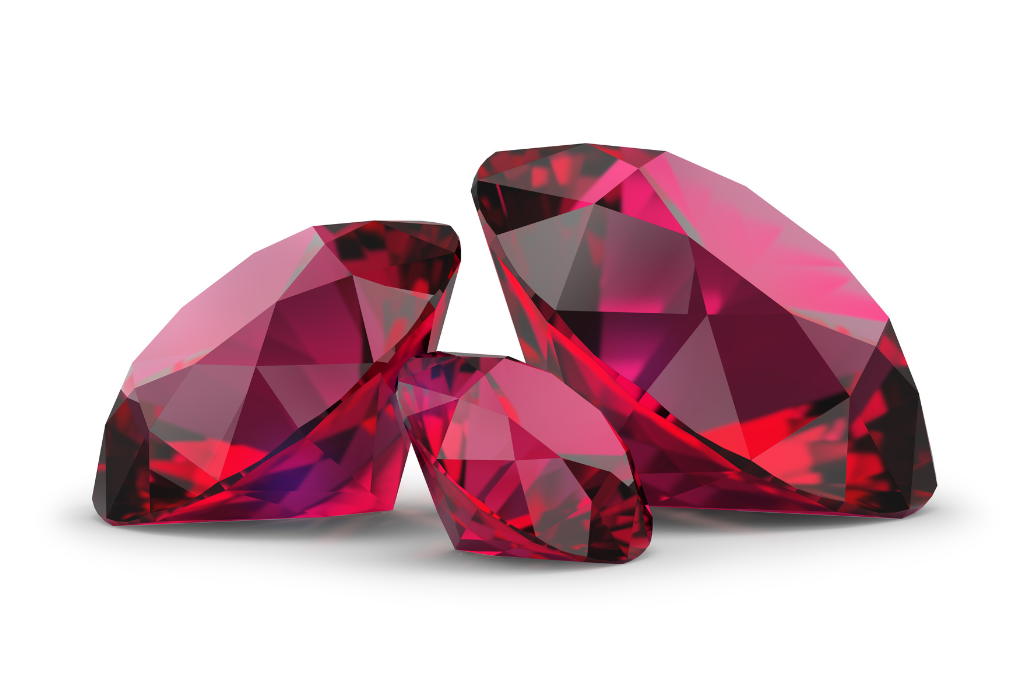
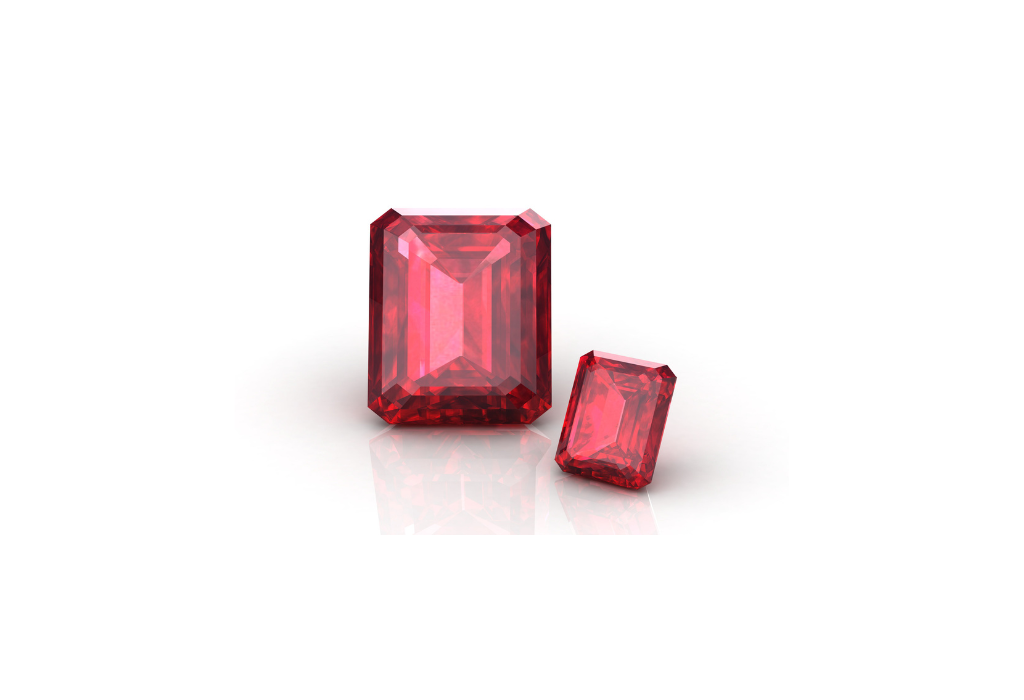
Ruby, often referred to as the “King of Gemstones,” is prized for its deep red color and rarity. As a variety of the mineral corundum, ruby’s vibrant hue ranges from pinkish-red to pigeon-blood red, with the latter being the most highly valued. This gemstone has a long and storied history, revered across cultures for its symbolism and beauty. In ancient times, rubies were associated with power, wealth, and passion, believed to possess protective qualities against misfortune and harm.
Geologically, rubies are found primarily in Myanmar (Burma), Thailand, Sri Lanka, and various parts of Africa. The quality of a ruby is determined by its color, clarity, cut, and carat weight, with the finest stones exhibiting a pure, intense red hue with minimal inclusions. Burmese rubies, particularly those from the Mogok region, are renowned for their rich color and fluorescence under natural light, making them exceptionally prized among collectors and connoisseurs.
Culturally, rubies have adorned the crowns and jewelry of royalty and aristocracy throughout history, symbolizing authority, bravery, and divine favor. In some cultures, rubies are associated with love and passion, believed to strengthen relationships and encourage fidelity. In Vedic astrology, rubies are linked with the Sun, representing vitality, leadership, and ambition. It is believed that wearing a ruby can enhance one’s energy levels and bring success in endeavors.
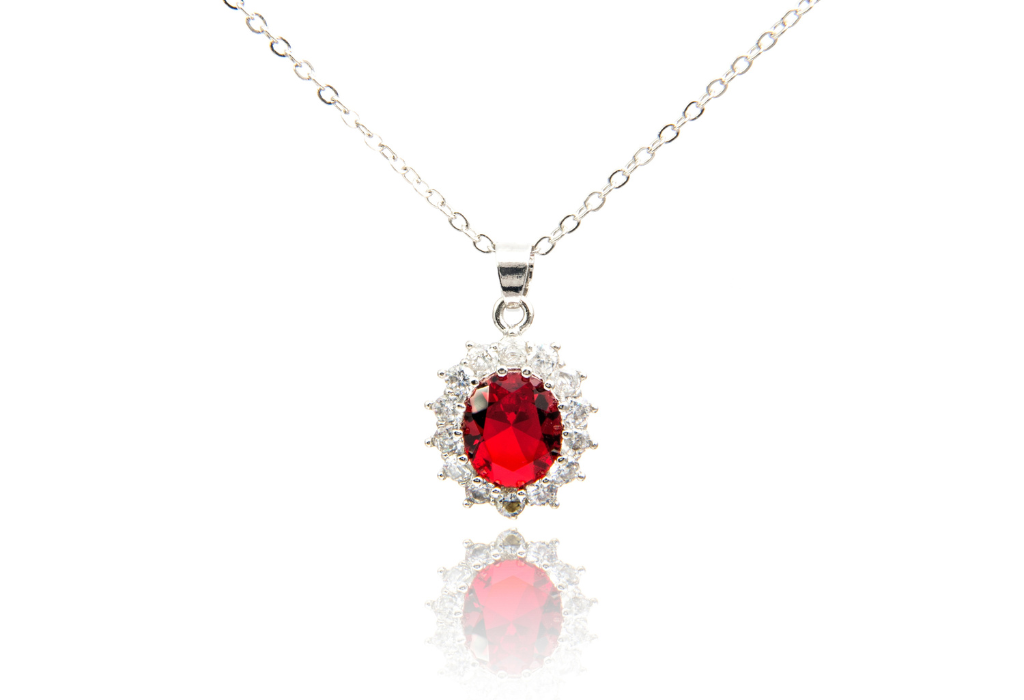
Today, rubies continue to captivate with their fiery brilliance and enduring allure. They are often set into rings, necklaces, and other jewelry pieces, making a bold statement with their striking color and exceptional clarity. Whether admired for its historical significance, astrological benefits, or simply its breathtaking beauty, the ruby remains a timeless gemstone that embodies passion, power, and prestige.